Virtuality Font for Modern Business Branding
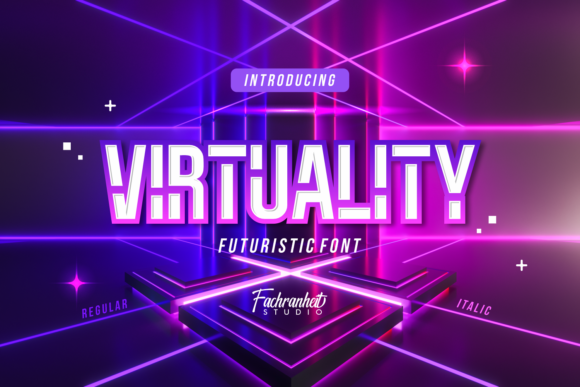
As a small business owner, I know that every detail matters when it comes to branding. From your logo to your website and even your packaging, consistency is key. That's why I recently discovered Virtuality, a display font that brings a cool, assertive, and futuristic vibe to any project. It’s the kind of typeface that makes your brand stand out without being over the top.
What Makes Virtuality Stand Out?
Virtuality has a clean yet bold look that screams modernity. It's not too flashy, but it definitely has that techno edge that can elevate your design work. The font feels confident and polished, making it perfect for businesses looking to project a professional image with a touch of innovation.
I’ve used it on everything from social media posts to product labels, and it always adds that extra layer of sophistication. It works especially well for logos, where you want something memorable but not too complicated.
Real-World Applications for Your Business
If you're running a bakery, a Virtuality headline on your Instagram post or website banner can instantly make your brand feel more contemporary. Pair it with a simple sans serif font for body text, and you’ll have a visually balanced design that’s easy on the eyes.
For handmade candle labels or beauty product packaging, this font gives off a high-tech, premium feel. It's also great for café menus or boutique logos—something that says "we’re different" without being too avant-garde.
When it comes to digital ads or website banners, Virtuality shines as a headline font. It grabs attention quickly and keeps viewers interested. Just make sure to test how it looks on mobile screens since readability is crucial in real-world settings.
How to Use Virtuality Effectively
As a display font, Virtuality should be used sparingly. Think of it as the star of the show—perfect for headlines, logos, or call-to-action buttons. For supporting text, pair it with a more readable font like a clean sans serif or a classic serif typeface. This creates contrast while maintaining a cohesive look across your brand materials.
For example, if you're designing a thank-you card or a flyer, use Virtuality for the main title and switch to a simpler font for the rest of the content. This ensures your message is clear and your design doesn’t become overwhelming.
One thing to keep in mind is that Virtuality might not be the best choice for long paragraphs or small print. It's more of a statement font, so use it where it can make an impact rather than where it could cause confusion.
Testing Before You Commit
Before using Virtuality across your entire brand, take some time to test it. Print out samples or view them on different devices to see how they look in various contexts. Does it read well on a phone screen? How does it appear on printed packaging?
You can also try pairing it with other fonts to see what works best for your brand. Experiment with different color schemes and layouts to find the right balance between creativity and clarity.
Choosing the Right Font for Your Brand Identity
Fonts play a huge role in shaping your brand identity. A Virtuality logo can help establish a modern, tech-savvy image, while a more traditional serif font might convey trust and reliability. It all depends on who your target audience is and what message you want to send.
For instance, if you run a coaching business or a startup, Virtuality can communicate a forward-thinking approach. But if you're in the food industry, you might want to pair it with something more approachable to maintain that friendly vibe.
Always check the commercial font licensing before using Virtuality on products, packaging, templates, or client work. Ensuring you have the right permissions will save you from legal issues down the line.
Bringing It All Together
Incorporating Virtuality into your brand materials is a smart move if you're aiming for a modern, professional look. Whether it's for your website, social media, or product packaging, this font adds a sleek and futuristic touch that can set your business apart.
Remember, the goal is to create a consistent and recognizable brand. Using Virtuality strategically can help you achieve that, making your business more trustworthy and appealing to your target customers.